
How to solve the seal failure of the slurry pump

 The main reasons for slurry pump seal failure are as follows:

1. the mechanical seal itself: including inappropriate materials, poor processing quality, improper installation, etc..

2. medium factors: such as particle wear, corrosion, too high or too low temperature, etc..

3. pump body and system factors: such as vibration, bearing wear, pipe leakage, etc.

4. operation factors: including frequent startup, dry running, insufficient shaft seal water, etc..

To solve these problems, the following measures can be taken:

Selection of suitable sealing materials

Strictly control the machining accuracy

Ensure proper installation

Conduct regular inspection and maintenance

Improve media conditions

Balance the pump system

Reasonable operation
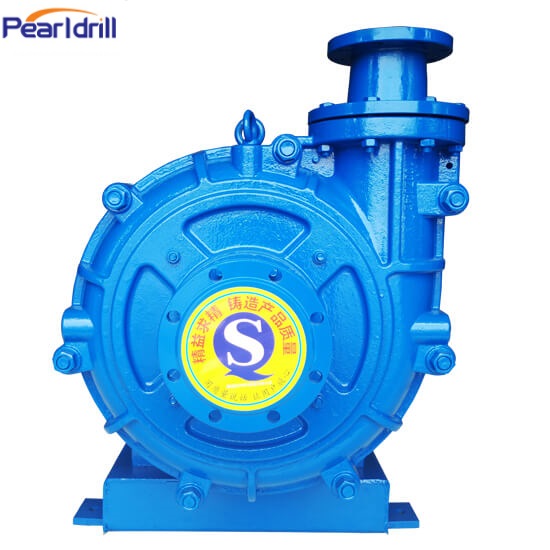
water well drilling rig

To summarize, slurry pump seal failure is more complex and needs to consider the mechanical, media, system and operation, and other factors. Through the selection of suitable sealing materials, strengthened maintenance reasonable operation, and other measures, can effectively prevent and solve the problem of seal failure.

If you are not sure how to choose the right slurry pump, please click the link below to contact our professional team directly.

Contact us

Comments

Popular posts from this blog

What are the differences bewteen core drilling bits and pdc drilling bits

  Although both core drills and PDC drills are tools used for drilling and sampling, there are significant differences between them in terms of material, structure, and scope of application. Core Drill Definition: A core drill is a broad concept that refers to all drills used for coring operations. It can be a variety of types such as tungsten carbide bits, PDC bits, diamond bits and so on. Function: Mainly used to remove a cylindrical section of core sample from different types of materials for subsequent analysis and research. Material: Various materials, including carbide, diamond, PDC, etc. Different materials are selected according to the hardness and toughness of the drilling material. Structure: Relatively simple structure, mainly consists of drill body, inner cylinder and outer cylinder. Application:  Wide range of applications, including geological exploration, engineering survey, mineral exploration, etc. PDC Drill Bit Definition: PDC drill bit is a special coring dr...

How to find a suitable PDC drill bit supplier from China

  If you want to find a suitable   PDC Drill Bit   supplier from China, here are some suggestions: 1. Search the internet: Using search engines such as Google and Bing, search for the keyword "PDC drill bit supplier China" to find many related supplier websites. 2. Browse industry websites: Browse some websites related to the drilling industry, such as China Petroleum Drilling and Production Network, China Geological Equipment Network, etc., to find information about PDC drill bit suppliers. 3. Participate in industry exhibitions: Participate in some exhibitions related to the drilling industry, such as China International Oil and Gas Exhibition, China International Petrochemical Exhibition, etc., and have face-to-face communication with suppliers to understand their products and services. 4. Consulting industry experts: Consult some experts or engineers with experience in the drilling industry to understand their evaluations and suggestions on PDC bit suppliers. 5. Compa...

Where does the fluid go after leaving the mud pump

After leaving the   Mud Pump , the fluid will follows a specific circulation path in the drilling system. The drilling mud serves multiple purposes, including cooling and lubricating the drill bit, carrying cuttings to the surface, and maintaining wellbore stability.  1. High-pressure discharge line: The pressurized drilling mud exits the mud pump through a high-pressure discharge line. This line is typically connected to the top of the pump and transports the mud to the next component in the circulation system. 2. Standpipe: The high-pressure discharge line is connected to a vertical pipe called the standpipe. The standpipe provides a conduit for the drilling mud to flow from the pump to the top of the  Drilling Rig . 3. Rotary hose: At the top of the standpipe, the drilling mud enters a flexible high-pressure hose known as the rotary hose. The rotary hoseis connected to the swivel, which allows the drilling mud to be transferred to the drill string. 4. Drill string: The...