
How to determine the size of the slurry pump

 The following is a detailed description of the method for determining the size of the slurry pump:
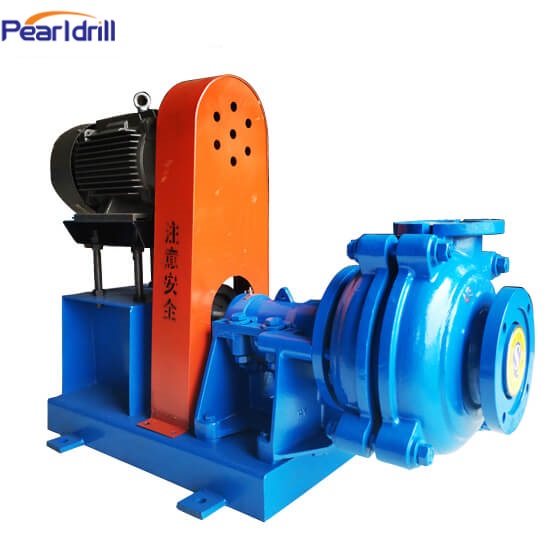

slurry pump


1. Collect relevant data
Slurry characteristics: solid particle type, size, shape, concentration, abrasiveness, viscosity, specific gravity, and so on.
Conveying conditions: flow, head, suction height, piping arrangement, installation location, etc.
Environmental conditions: working temperature, corrosion, vibration, etc..

2. Select the appropriate pump type
According to the slurry concentration and abrasive selection: low concentration, abrasive slurry can choose wear-resistant alloy pumps; high concentration, high abrasive slurry can choose wear-resistant ceramic pumps or high chromium alloy pumps.


3. Determine the performance parameters of the pump
Flow: according to the process requirements to determine the required flow.
Head: according to the pipeline loss, suction height, and other calculations of the required head.
Power: According to the flow, head, and pump efficiency calculated from the required power.

4. Selection of suitable materials
Overflow parts: according to the corrosiveness and abrasiveness of the slurry choose corrosion-resistant, wear-resistant materials, such as high chrome alloy, ceramics, and so on.
Pump body: choose suitable material according to the working environment, such as cast iron, stainless steel, etc.

If you don't know how to choose the right slurry pump, please click the following link to contact our professional team.

Contact us (gzpearldrill.com)

Comments

Popular posts from this blog

What are the differences bewteen core drilling bits and pdc drilling bits

  Although both core drills and PDC drills are tools used for drilling and sampling, there are significant differences between them in terms of material, structure, and scope of application. Core Drill Definition: A core drill is a broad concept that refers to all drills used for coring operations. It can be a variety of types such as tungsten carbide bits, PDC bits, diamond bits and so on. Function: Mainly used to remove a cylindrical section of core sample from different types of materials for subsequent analysis and research. Material: Various materials, including carbide, diamond, PDC, etc. Different materials are selected according to the hardness and toughness of the drilling material. Structure: Relatively simple structure, mainly consists of drill body, inner cylinder and outer cylinder. Application:  Wide range of applications, including geological exploration, engineering survey, mineral exploration, etc. PDC Drill Bit Definition: PDC drill bit is a special coring dr...

Does the water well drilling bit have a warranty

  Whether or not a water well drill bit has a warranty, and the length of that warranty, depends on several factors: Drill Bit Type:  Different types of drill bits vary greatly in their structure, material and manufacturing process, and therefore warranty policies will vary. For example, PDC bits (polycrystalline diamond composite bits) usually have a longer warranty due to their higher technology, whereas some simple tooth wheel bits or diamond bits may not have a defined warranty or may have a shorter warranty. Manufacturer/Supplier:  After-sales service policies and reputations vary between manufacturers or suppliers. Some large, reputable manufacturers usually offer a good warranty, while some small, unknown suppliers may not offer a warranty or may have harsh warranty terms. Purchase Contracts/Agreements:  When purchasing a drill bit, it is important to read the terms of the purchase contract or agreement carefully, especially the sections on warranty and after-...

How to replace the impeller of a slurry pump

  The impeller of the slurry pump is a wearing part, which needs to be inspected and replaced periodically. The process of replacing the impeller is relatively complex and requires certain specialized knowledge and skills. The following are the steps for replacing the impeller of the slurry pump: 1. Preparation Shut down and disconnect the power:  Before any operation, be sure to cut off the power supply to ensure safety. Preparation tools:  ready wrenches, screwdrivers, gaskets, new impeller and so on. Drain:  Empty the pump. Protective measures:  Wear protective gloves, safety glasses and other protective equipment. 2. Disassembly Procedure DISASSEMBLY:  Disassemble the suction and discharge pipes connected to the pump. Remove pump cover:  Loosen the bolts securing the pump cover and carefully remove the cover. Remove the impeller:  Loosen the nuts secure the impeller with a suitable tool and remove the impeller. 3. Install the new impeller Insp...